Vietnamese spring rolls come in two main styles. Goi cuon (fresh spring rolls, also called summer rolls) are served cold: rice paper wrapped around shrimp or pork, rice vermicelli, lettuce and herbs, and dipped in…
 inexpensive
 inexpensive
 inexpensive
 inexpensive
🕐 11:00 AM – 1:00 AM
🕐 11:00 AM – 1:00 PM5:00 PM – 6:30 PM
 inexpensive
Vietnamese spring rolls come in two main styles. Goi cuon (fresh spring rolls, also called summer rolls) are served cold: rice paper wrapped around shrimp or pork, rice vermicelli, lettuce and herbs, and dipped in peanut-hoisin sauce. Cha gio (fried spring rolls, called nem ran in the north) are crisp rolls filled with ground pork, glass noodles, mushrooms and vegetables.
Goi cuon: fresh spring rolls
Goi cuon are made by softening a sheet of rice paper, then layering lettuce, rice vermicelli, mint, cilantro or Thai basil, cooked shrimp, and often sliced pork or chives. The roll is eaten at room temperature, with no frying. Their flavor is light and herbal, and they are often served with a peanut-hoisin dipping sauce or a fish-sauce dressing. Variations include vegetarian rolls with tofu, and rolls with grilled pork or beef.
Cha gio: fried spring rolls
Cha gio are filled with ground pork, wood ear mushroom, glass noodles, carrot and sometimes shrimp or crab, then wrapped and deep-fried until golden. In southern Vietnam the wrapper is often rice paper, which gives a blistered, extra-crisp surface; in the north the dish is called nem ran. In Vietnamese restaurants they are traditionally wrapped in lettuce with mint and other herbs and dipped in nuoc cham, a sweet-sour sauce of fish sauce, lime, sugar, garlic and chili.
Other rolls to know
Nem nuong cuon: rolls filled with grilled pork sausage, crispy rice paper and herbs.
Bo bia: a rolled snack with jicama, egg, sausage and peanuts.
Banh cuon: steamed rice rolls, soft and served warm; a different dish, but often confused with spring rolls.
Spring rolls vs egg rolls
In the United States “egg roll” usually means a thick, bubbly, wheat-wrapped Chinese-American roll. Vietnamese fried rolls tend to be thinner, lighter and filled with pork and vegetables, and are eaten with herbs and dipping sauce. Menus sometimes label cha gio as “egg rolls”, so look at the description.
How to order and eat them
Spring rolls are a popular appetizer to share, and a good pairing with a hot noodle soup such as pho or bun bo Hue. Use the dipping sauce generously, and wrap fried rolls in lettuce with herbs for a fresher bite. Fresh rolls are best eaten soon after they are made, because the rice paper dries out.
Browse the restaurants below to find Vietnamese spring rolls near you, and check each listing for hours and directions.
Goi cuon are fresh, cold rolls wrapped in rice paper, while cha gio are fried rolls with a ground pork filling.
They typically contain shrimp or pork, rice vermicelli, lettuce and herbs in rice paper, served with peanut-hoisin dipping sauce.
Fresh rolls are light and not fried, while fried rolls contain more oil. Both are usually eaten with vegetables and herbs.
Fresh rolls use rice paper and are often gluten-free, but sauces may contain gluten, so confirm with the restaurant.
Fried rolls are traditionally served with nuoc cham, a dipping sauce of fish sauce, lime, sugar, garlic and chili.
 🍜
🍜
Pho (pronounced “fuh”) is Vietnam’s best-known noodle soup: flat rice noodles in…
🍜
 🍜
🍜
 🌶️
🌶️
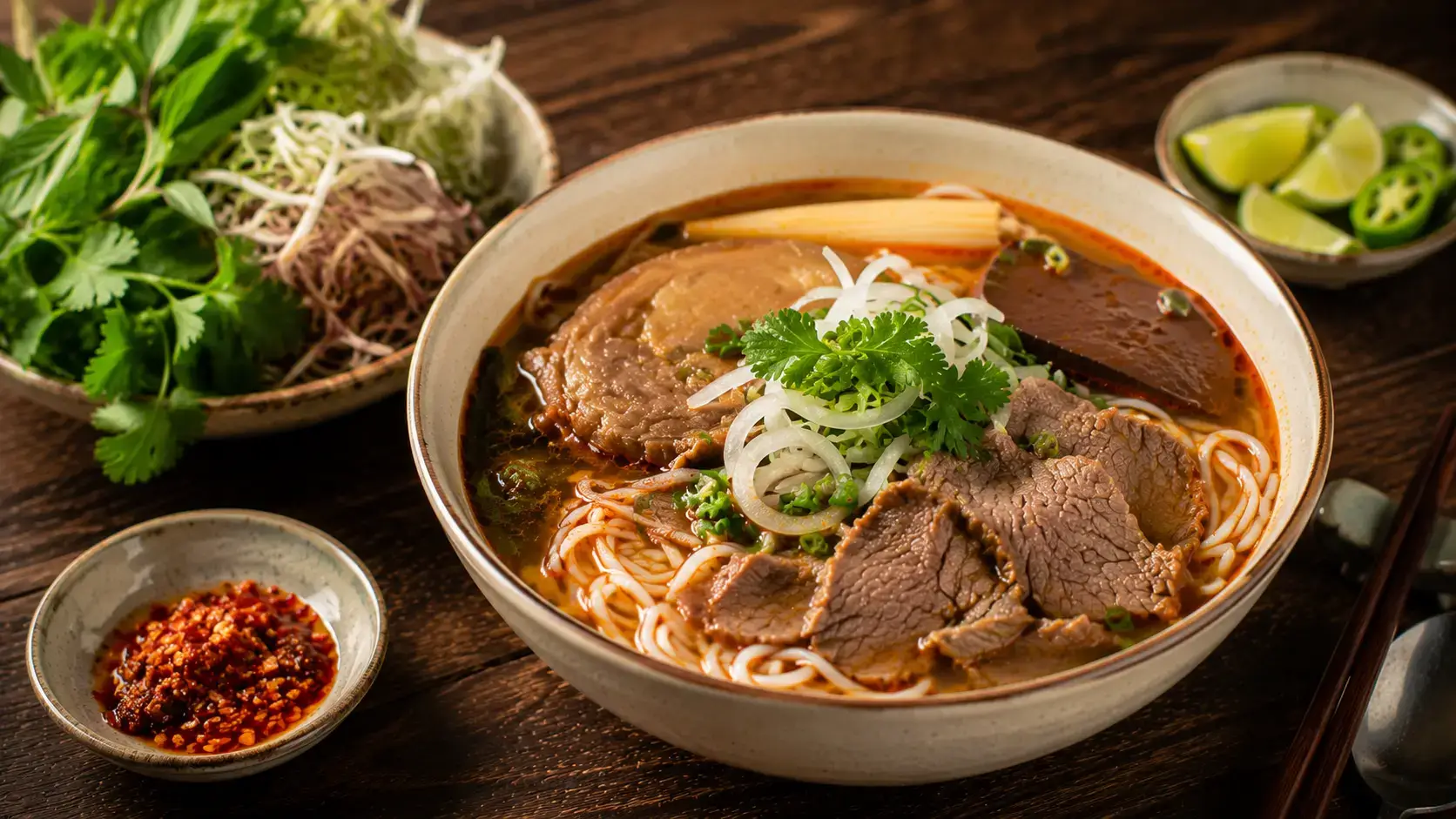
Bun bo Hue is a spicy beef noodle soup from Hue, the…
 🥖
🥖
Banh mi is the Vietnamese sandwich: a light, crisp baguette filled with…
